
SEAGULL HEALTH
Your health,We care!
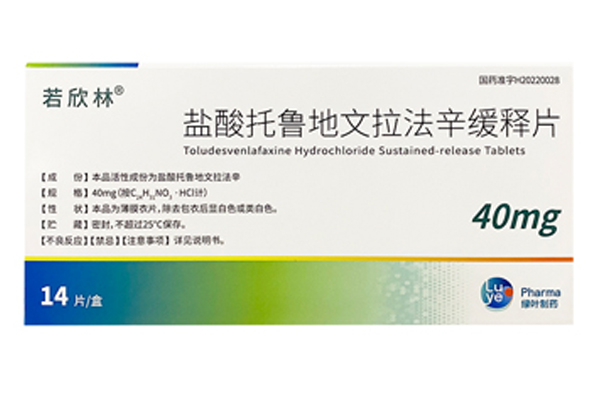
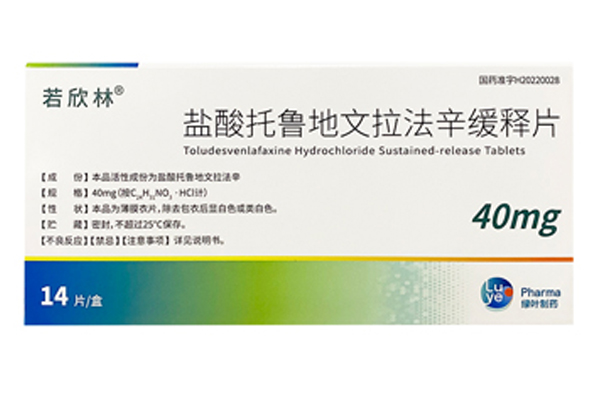
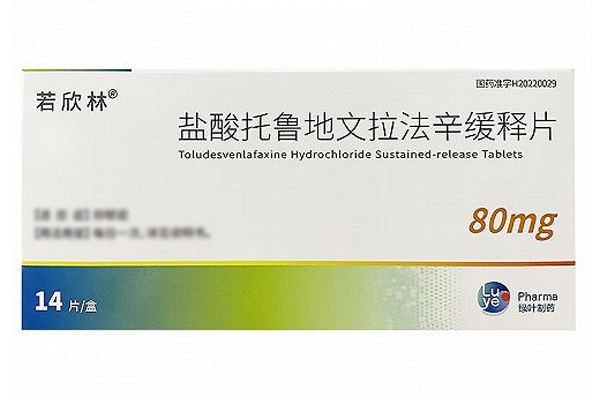
The product is the first original anti-depressant drug with completely independent intellectual property rights in China, and it was approved for marketing by the National Medical Products Administration (NMPA) in November 2022.

 AuthenticGuaranteeFast DeliveryPrivacy
 Toludesvenlafaxine Hydrochloride Sustained-Release Tablets can comprehensively and stably ameliorate the core symptoms of depression. Clinical trials have demonstrated its good safety and tolerability, with adverse reactions mostly being mild to moderate. It causes no significant somnolence and does not affect patients' sexual function, body weight or lipid metabolism.
Toludesvenlafaxine Hydrochloride Sustained-Release Tablets is indicated for the treatment of depression.
This product should be taken at a relatively fixed time each day, administered orally with or without food, once daily. The tablets should be swallowed whole; avoid crushing, chewing, or dissolving them before administration.
The recommended dosage of this product is 80mg to 160mg per day. The initial dosage is 40mg per day, which may be increased to 80mg per day within one week based on the patient's individual response. The maximum daily dosage shall not exceed 160mg.
Like all antidepressants, the dosage should be adjusted according to the patient's condition during treatment. It is generally recognized that continuous medication for consolidation therapy is required for several months or longer after the effective treatment of acute depressive symptoms. The necessity of continued medication should be regularly evaluated in patients who have achieved a therapeutic response.
Discontinuation-related symptoms have been reported with Selective Serotonin Reuptake Inhibitors (SSRIs) and Serotonin-Norepinephrine Reuptake Inhibitors (SNRIs). Patients should be monitored for such symptoms when discontinuing this product. Gradual dose reduction is recommended, and abrupt discontinuation should be avoided. If intolerable reactions occur during dose reduction or discontinuation, consideration may be given to resuming the previous prescribed dosage, after which the dose may be tapered at a slower rate. Clinically, the duration of gradual dose reduction may be determined based on the dosage, treatment course, and individual patient differences.
This product is contraindicated in patients with known hypersensitivity to the active ingredient or any excipient of this product.
Concomitant use of MAOIs is contraindicated due to an increased risk of developing serotonin syndrome. MAOIs should not be initiated until at least 7 days after discontinuation of this product; conversely, this product should not be initiated until at least 14 days after discontinuation of MAOIs.
Common (Incidence≥5%): Nausea, dizziness, xerostomia, somnolence, headache
Uncommon (Incidence ≥1% and <5%): Palpitations, decreased appetite, constipation, asthenia, abdominal discomfort, vomiting, hyperhidrosis, hypersomnia, weight loss, elevated serum prolactin, blurred vision, increased heart rate, insomnia, diarrhea, elevated blood pressure, abdominal pain, chest discomfort, abdominal distension, elevated alanine aminotransferase (ALT), elevated blood bilirubin, elevated gamma-glutamyl transferase (GGT), abnormal T wave on electrocardiogram (ECG), fatigue.
Pregnancy
The safety of this product in pregnant women has not been established. If pregnancy occurs or is planned during treatment, the physician should be informed. This product may only be administered if the potential benefit to the mother clearly justifies the potential risk to the fetus. If this product is used until or immediately before delivery, the risk of neonatal discontinuation reactions should be considered.
Epidemiological data suggest that the use of SSRIs during pregnancy, particularly in the third trimester, may increase the risk of persistent pulmonary hypertension of the newborn (PPHN). Although no studies have investigated the association between SNRI therapy and PPHN, the potential risk cannot be ruled out given the drug's relevant mechanism of action (inhibition of serotonin reuptake).
Neonates born to mothers who used SSRIs/SNRIs during the third trimester may develop the following symptoms: irritability, tremor, hypotonia, persistent crying, and difficulties with sucking and sleeping. These symptoms may be due to serotonergic effects or exposure-related symptoms. In most cases, these complications occur immediately after delivery or within 24 hours of birth.
Teratogenic Effects
Adequate and well-controlled studies in pregnant women have not been conducted to date. This product should not be used in pregnant women unless absolutely necessary.
Non-teratogenic Effects
Fetal exposure to SNRIs (serotonin and norepinephrine reuptake inhibitors) or SSRIs during the third trimester of pregnancy is associated with an increased risk of prolonged hospitalization, respiratory support, and complications related to gavage feeding after delivery. Reported clinical manifestations also include respiratory distress, cyanosis, hypertonia/hypotonia, temperature instability, feeding difficulties, vomiting, hypoglycemia, hyperreflexia, tremor, irritability, and incessant crying. These manifestations are consistent with direct toxic effects of SSRIs and SNRIs, and may also represent a discontinuation syndrome. It should be noted that the clinical manifestations in some patients may be similar to those of serotonin syndrome (5-HT syndrome). Physicians should carefully weigh the benefits and risks of treatment when administering this product to pregnant women during the third trimester.
Labor and Delivery
The effect of this product on human labor and delivery has not been established.
Lactating Women
This product may cause potentially serious adverse reactions in breastfed infants. The necessity of maternal treatment must be considered, and a choice should be made between discontinuing breastfeeding and discontinuing the drug.
No data are available on the safety and efficacy of this product in pediatric and adolescent patients under 18 years of age.
No data are available on the safety and efficacy of this product in geriatric patients aged 65 years and older.
Geriatric patients should be treated with caution with individualized dosing; close monitoring of the patient is recommended if dose escalation is required.
For more detailed drug information, please consult the official package leaflet.
If any issues arise, please contact us immediately.
Email:haiousales@gmail.com
Copyright 2024 @ haiouhealth.com All right reserved SEAGULL HEALTH


